Loading...
Serving Charleston, SC and surrounding areas. (843) 459-1691
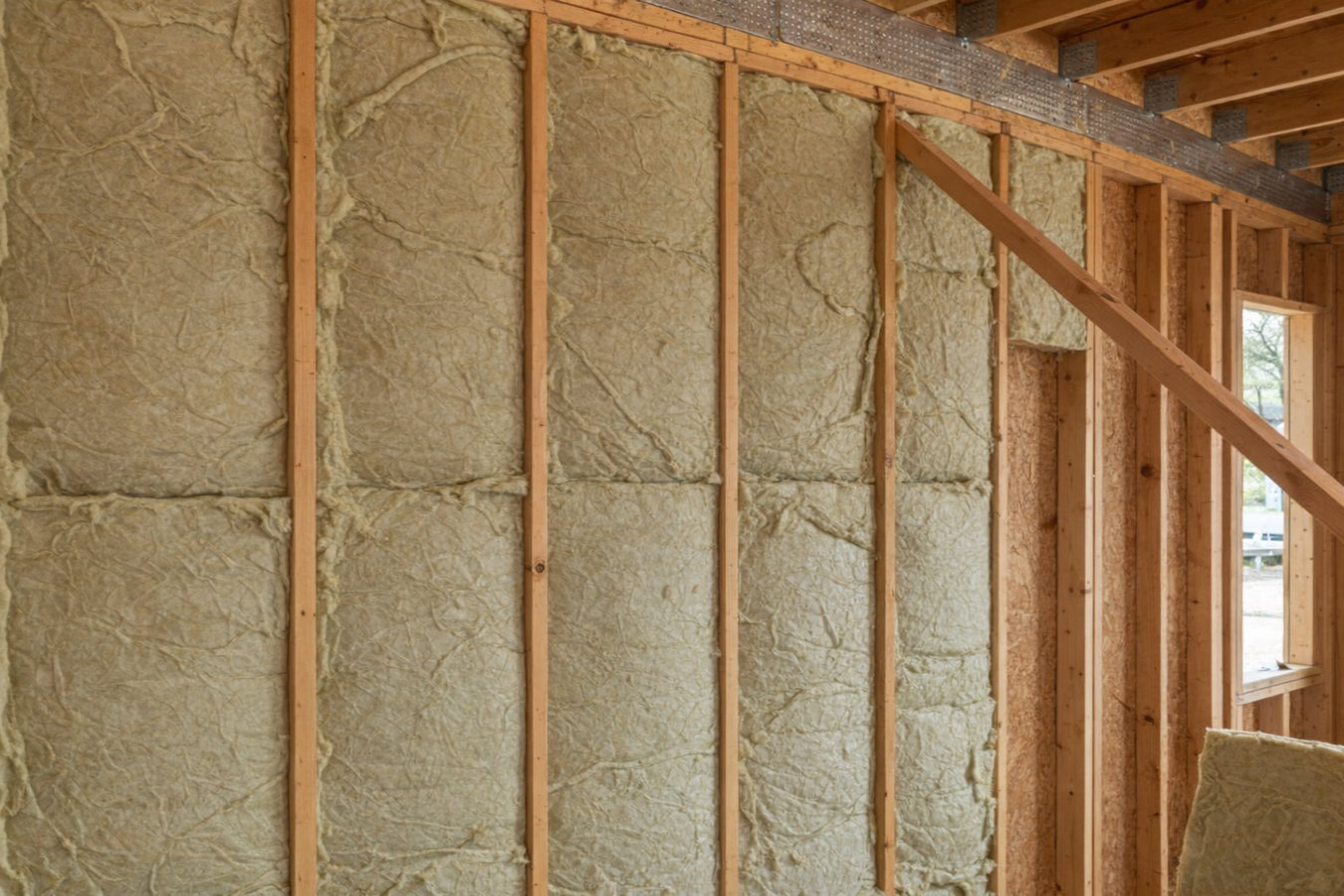
Under-insulated walls let Charleston heat pour into your home all summer. We add insulation without tearing out your drywall, so your AC runs less and your bills drop.
Under-insulated walls let Charleston heat pour into your home all summer. We add insulation without tearing out your drywall, so your AC runs less and your bills drop.
Wall insulation in Charleston fills the hollow spaces inside your exterior walls with material that slows heat transfer, most jobs are completed in one day without removing drywall, and the results show up on your very first summer utility bill.
In Charleston, heat does not just come through your roof - it presses through every exterior wall all summer long. Homes built before 1980 were often framed with empty wall cavities and no insulation at all, which means your air conditioner is fighting the walls every hour the sun is up. If you have already had attic insulation done and your home is still uncomfortable, the walls are usually the next place to look.
The good news is that wall insulation in Charleston does not require gutting your rooms. A crew drills small holes in the siding or interior walls, fills the cavities with blown-in or spray foam material, then patches and paints every hole so the work is nearly invisible when they leave. Most homeowners say they notice the difference within the first week.
If your electricity bill climbs sharply from June through September even when your thermostat settings have not changed, your walls may be letting heat pour in. Charleston summers are long, and an under-insulated home forces your air conditioner to run almost constantly. If neighbors in similar-sized homes are paying noticeably less, the walls are worth investigating.
In Charleston's humid climate, rooms that feel damp or close - especially on the second floor or on south- and west-facing sides - often have walls that are not doing their job. Humidity seeping through under-insulated walls is a common complaint in older Charleston homes built before the 1980s. If one room always feels worse than the rest, the wall behind it is worth checking.
On a hot summer afternoon, press your hand flat against an interior wall that faces outside. If it feels noticeably warm - almost like a surface that has been sitting in the sun - that wall has little or no insulation. A properly insulated wall should feel close to room temperature even when it is 95 degrees outside.
Homes built in Charleston before modern energy codes were adopted were routinely constructed with empty wall cavities. If you have never had insulation added and your home is more than 40 years old, there is a good chance your walls are bare. This is especially common in older neighborhoods closer to the Charleston peninsula.
Every wall insulation project starts with a thermal camera walkthrough so we can see exactly where heat is moving before we recommend anything. For most existing homes, we use a blown-in approach - small holes are drilled into the siding or interior walls, material is blown in to fill the cavity completely, and every hole is plugged and finished to match your existing surface. This is also paired with air sealing services when gaps around outlets, windows, or penetrations are adding to the problem.
For homes with unusual wall construction or accessible cavities, we also offer spray foam installation, which expands to fill irregular spaces that loose-fill material can miss. Both methods work without removing your drywall, and both are eligible for the federal tax credit currently in place. If your project also involves older or damaged insulation elsewhere, we can combine it with blown-in insulation work in the attic or other areas to keep the project on one schedule.
Best suited for existing homes where you want to avoid drywall removal - material is blown through small drilled holes and the finish is patched before we leave.
Suits homes with irregular wall cavities or areas that need both insulation and air sealing in a single application.
Suits homes where gaps around outlets, pipes, or framing are contributing to heat and humidity problems alongside thin or missing insulation.
Suits Charleston homes in or near historic districts where exterior appearance must be preserved and drilling access needs to be carefully planned.
Charleston sits in a hot, humid climate zone where summer temperatures regularly top 90 degrees and the air holds moisture almost year-round. That combination means your walls are under constant pressure - heat tries to push in from outside while humidity finds any gap it can. Neighborhoods like Wagener Terrace and the Cannonborough-Elliotborough area have a large share of homes built before modern insulation standards existed, many with bare wall cavities that have never been touched. If your home is in one of Charleston's historic districts, work that affects the exterior may need review by the Board of Architectural Review - a local contractor with experience in these neighborhoods will know how to handle that process without delaying your project.
Homeowners we work with in James Island, SC and North Charleston, SC often notice the biggest improvement in older ranch-style homes where the walls have been empty since the house was built. Charleston's flood zone designation also matters when choosing materials - homes in moisture-prone areas need insulation that can handle elevated humidity without losing effectiveness or holding water. We assess your home's specific conditions before recommending anything, so you get the right material for your location, not a generic solution.
Call or submit the form and we will get back to you within one business day. We ask a few quick questions - age of your home, type of siding, and what problems you have been noticing - so we arrive prepared with the right equipment.
Before recommending anything, we walk through your home with a thermal camera that shows exactly where heat is moving through the walls. You only pay to fix what actually needs fixing - not areas that are already performing well.
After the assessment you receive a written quote broken down by area of the home. We explain what material we recommend and why. Take your time to compare - the lowest price is not always the best value if the scope of work is different.
The crew drills small holes, fills the cavities, and patches every hole before leaving. A typical Charleston home is done in one day. We do a final thermal scan to confirm performance and walk you through every patch location before we go.
Free estimate. No pressure. We'll show you exactly what we find before any work begins.
(843) 459-1691We scan your walls with a thermal camera before the job and again after completion, then share both sets of readings with you. You get visible confirmation that the insulation is working - not just someone's word for it.
A meaningful share of our Charleston work is in or near historic neighborhoods where the Board of Architectural Review has guidelines about exterior changes. We know which neighborhoods trigger review and handle that process as part of the job.
Every wall insulation job we do uses drill-and-fill methods that leave your interior rooms intact. Holes are patched and finished to match your existing surface - most homeowners cannot find them after we leave.
The Inflation Reduction Act currently offers a tax credit of up to 30% of the insulation cost. We provide the documentation you need to claim it - you should not have to chase paperwork after the job is done. Learn more at the{" "}ENERGY STAR website.
Every proof point above is grounded in how we actually work, not marketing language. When you hire a contractor who measures results and knows Charleston's housing inside and out, you get a home that performs better - and the confidence that it was done right.
Close the gaps that let humid Charleston air into your home, so your wall insulation delivers its full benefit.
Learn MoreLoose-fill insulation for attics and other areas that can be done on the same visit as your wall insulation project.
Learn MoreSpring and early-summer slots fill fast in Charleston - call now or request a free estimate online to lock in your date before the heat peaks.