Loading...
Serving Charleston, SC and surrounding areas. (843) 459-1691
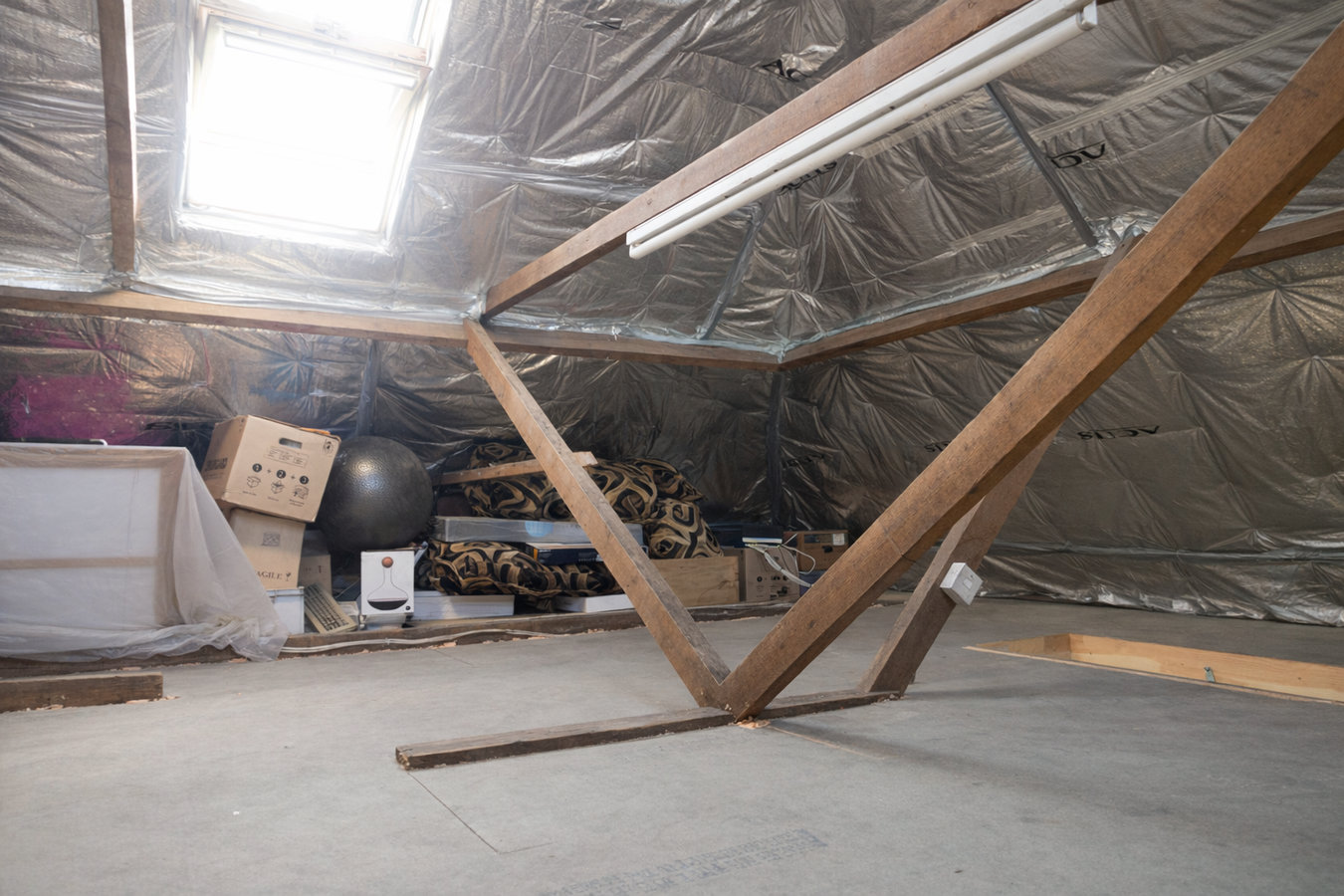
Your attic can hit 150 degrees on a July afternoon. Without proper insulation, that heat radiates straight into your living space and forces your AC to run all day. We fix that.
Attic insulation in Charleston, SC acts as a thermal barrier between your living space and the extreme heat above, with most single-family jobs completed in one day and the difference noticeable on your first utility bill of the season. Without it, your air conditioner is fighting a superheated attic all day long - which shows up every month on your bill from April through October.
Many Charleston homes - especially in neighborhoods like Wagener Terrace, West Ashley, and the older parts of North Charleston - were built before modern insulation standards existed. If your home is more than 40 years old, there is a good chance your attic is significantly under-insulated by today's standards, and what was installed has likely settled or degraded. We install both blown-in loose fill and batt insulation depending on what suits your attic layout, and we always assess attic ventilation first so the new material stays effective in Charleston's humidity. If your attic needs air sealing work alongside the insulation, our attic air sealing service handles that in the same visit.
The U.S. Department of Energy recommends specific insulation levels for Charleston's climate zone that are significantly higher than what most older area homes were built with. A proper job means meeting those levels, not just adding a little material on top of what is already there.
If your electricity bill has been creeping up year over year during Charleston's long cooling season, your attic insulation may be the culprit. Heat pouring through an under-insulated attic forces your AC to run longer and harder - and that shows up on your bill every month from April through October.
If the upstairs bedrooms or rooms directly below the attic feel stuffy no matter how low you set the thermostat, that is heat radiating down from above. In Charleston summers, an attic that reaches extreme temperatures on a July afternoon will make those rooms genuinely uncomfortable.
Squirrels, rats, and insects are common in Charleston attics. When they move in, they damage insulation - shredding it for nesting and contaminating it with waste. If you have heard scratching in the ceiling or had a pest problem addressed recently, it is worth having the insulation inspected.
Charleston's humidity can work its way into an attic that is not properly ventilated, and wet insulation loses most of its effectiveness. If you notice a musty smell near your attic access, water stains on the ceiling below, or visible moisture when you look into the attic, the insulation may be damaged.
Most attic insulation jobs in Charleston use blown-in loose fill material, which fills gaps and corners more completely than rolled batts and works well in the varied attic layouts you find across older Charleston neighborhoods. We also install batt insulation where the layout suits it, and we always seal air leaks around pipes, wires, and ducts before adding new material - because those gaps are often where the most energy is lost. For homes where the attic also needs air sealing work, we offer attic air sealing as a combined service so both are handled on the same visit.
Some jobs require old insulation removal before new material goes in - particularly when the existing insulation is water-damaged, pest-contaminated, or compressed to the point where it offers almost no value. We handle full insulation removal and replacement as well. Every attic job includes a walkthrough so you can see the coverage and confirm the work was done right.
Loose fill material that fills odd corners and gaps completely - the most common choice for Charleston's varied attic layouts.
Rolled insulation suited for attics with standard joist spacing and clear, accessible areas.
Sealing gaps around pipes, wires, and ducts before insulating - addressing both heat transfer and air leakage in one visit.
Full removal of damaged, pest-contaminated, or degraded insulation before new material goes in.
Adding material to an existing but under-insulated attic to bring it to the level recommended for Charleston's climate zone.
Replacing insulation damaged by squirrels, rats, or insects after pest removal is complete.
Charleston summers are genuinely extreme - high humidity and temperatures that regularly push into the upper 90s from May through September mean your attic can reach temperatures that radiate straight down into your living space. Attic insulation pays back faster here than in almost any other region of the country because your air conditioner is fighting that heat for the better part of eight months. On top of that, a large share of Charleston homes - particularly in neighborhoods like Wagener Terrace, North Central, and around West Ashley - were built before modern insulation standards existed, meaning the gap between what they have and what they need is often significant. The North American Insulation Manufacturers Association notes that older homes are frequently the highest-opportunity targets for energy savings through insulation upgrades.
Charleston's coastal humidity adds another layer. A good attic insulation job in this climate includes an assessment of attic ventilation first - trapping humid air in a poorly ventilated attic can lead to mold and structural damage over time. We serve homeowners across Mount Pleasant and Summerville where attic conditions vary widely between older established neighborhoods and newer subdivisions - and we size the job correctly for each.
We respond within 1 business day. A few quick questions about your home's age and what you have noticed - high bills, hot upstairs rooms, pest history - helps us come prepared and set realistic expectations before the visit.
A technician accesses your attic and spends 20 to 40 minutes evaluating what is there: current insulation levels, condition, signs of moisture or pest damage, and ventilation quality. This is the step that separates a careful job from one that just adds material on top of problems.
After the assessment we walk you through what we found and what we recommend. Your written estimate covers material type, amount, whether old insulation needs removal, and whether air-sealing is included. You pay what was quoted.
Most jobs are complete in a single day. You can be home during the work - no need to leave. When the job is done we walk you through the attic or show you photos so you can confirm even, complete coverage before we pack up.
We respond within 1 business day - no pressure, no obligation. After you submit, someone from our office will call to schedule a free on-site assessment at a time that works for you.
(843) 459-1691In Charleston's coastal humidity, installing new insulation without checking attic ventilation first can trap moisture and create mold conditions. We assess ventilation as part of every job - it is not an optional add-on.
We are a locally based insulation contractor operating throughout the Charleston metro area. Our crews know the local building stock and document every job, which matters when the work involves your building envelope and affects future home sales.
We flag signs of pest damage or moisture issues during every attic assessment, because installing new insulation over a damaged attic is money wasted. EPA guidance on mold and moisture confirms that addressing the source matters before adding new material.
Most customers hear back within one business day and are scheduled for a free assessment within the same week. When April arrives and your bills are already climbing, fast turnaround matters.
Every one of those points connects back to the same thing: attic insulation in Charleston either works long-term or it does not, and the difference usually comes down to whether the job was done carefully the first time. We walk you through the finished attic so you can confirm the coverage before we leave.
Blown-in loose fill is the most common material used in Charleston attics - learn more about how it works and where it fits best.
Learn MoreSealing the gaps around pipes, wires, and ducts before insulating is often more impactful than the insulation itself - we combine both services.
Learn MoreCall now or submit a form - we will get back to you within 1 business day to schedule a free on-site attic assessment before summer hits full force.