Loading...
Serving Charleston, SC and surrounding areas. (843) 459-1691
Hot attic air leaks through dozens of small gaps in your ceiling every day. We find and seal every one so your AC can finally keep up - and your bills can finally come down.
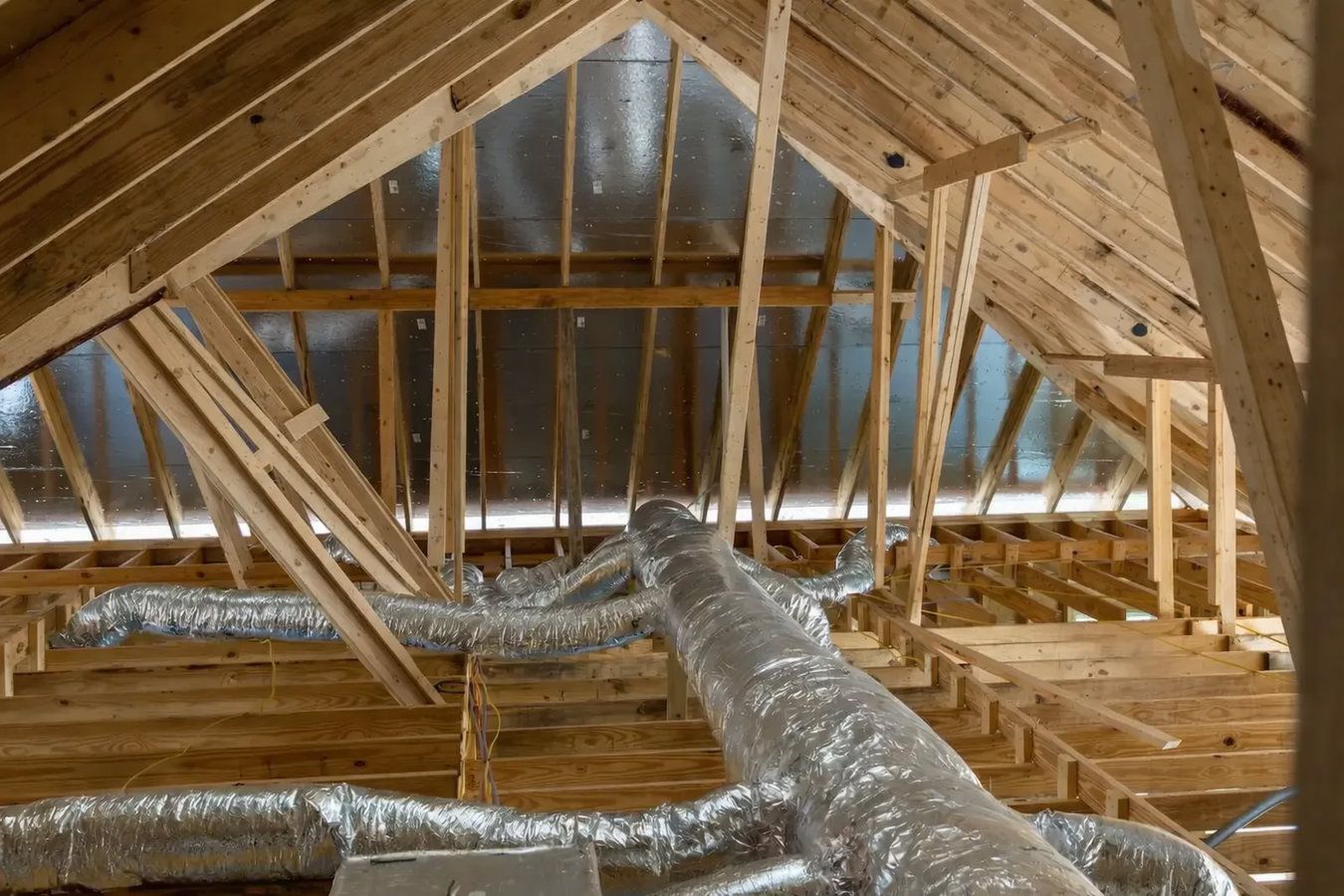
Attic air sealing in Charleston closes the gaps, cracks, and openings in your attic floor where conditioned air escapes and hot outdoor air seeps in - a contractor seals around light fixtures, plumbing pipes, HVAC ducts, and the tops of interior walls, and most jobs are finished in one to two days with no disruption to your living space.
Most homeowners assume adding insulation will solve the problem, but insulation only slows heat transfer - it cannot stop air from moving through gaps. Think of it this way: insulation is a blanket, and air sealing is the walls of the room. Without sealing first, you are paying for insulation that cannot perform the way it should. Many Charleston homeowners who have added insulation over the years and still see high bills are dealing with this exact issue. If you are also considering retrofit insulation, getting the air sealing done first ensures every dollar you spend on insulation actually works.
For homes built before the mid-1980s - a large share of Charleston's housing stock - the gaps are often more numerous than owners expect. Older construction simply did not account for energy performance, and decades of settling open those gaps even further over time.
If rooms directly below your attic stay noticeably warmer than the rest of the house even with the AC running at full blast, hot attic air is leaking through gaps in your ceiling. Charleston attic temperatures can exceed 140 degrees on a summer afternoon, and even a handful of small gaps let a significant amount of that heat pour into your living space. This is one of the most common complaints homeowners share before discovering their attic has never been sealed.
If your utility bills have climbed year over year without any change in how you use your home, air leakage is one of the more common causes. Charleston's AC season runs from roughly April through October, and an unsealed attic forces your system to work overtime replacing conditioned air that is constantly escaping or being diluted by hot outdoor air. A noticeable spike in summer bills is often the first measurable sign homeowners catch.
Recessed can lights are one of the most common and overlooked air leakage points in older Charleston homes. Hold your hand near one on a hot day - if you feel warmth coming through, that fixture is directly connected to your attic. This is a quick no-tool check any homeowner can do, and a positive result means you have found a gap worth sealing regardless of what else is going on in the attic.
Charleston's high humidity means air leaking from the attic carries significant moisture with it. That moisture can condense on cooler surfaces inside your walls and ceiling. Musty odors that are hard to trace, water stains around ceiling fixtures, or soft spots in the drywall near the roofline are all signs that humid attic air has been infiltrating your home. These signals are worth acting on quickly, because moisture damage compounds quietly over time.
We start with a full attic inspection to identify every penetration point - not just the obvious ones. Using foam, caulk, and specialized tape, we close gaps around recessed light fixtures, plumbing stacks, HVAC ducts, top plates, and attic hatches. Most homeowners are surprised how many separate spots there are to address. For homes where air sealing is part of a larger energy improvement, we coordinate with broader air sealing services that cover the whole house envelope, not just the attic floor.
After sealing, we walk you through exactly what was done and can provide photos of the work, since most of it happens in areas you cannot easily see yourself. For homeowners who want a measurable before-and-after comparison, we work with diagnostic testing that shows precisely how much air movement has been reduced. Documentation is provided for any project where tax credits may apply.
Best for homes where the primary issue is heat and humidity moving between the attic and the living space through ceiling gaps.
Suited for older homes with many can lights, which are consistently the largest source of uncontrolled air movement in the ceiling.
For homes where air is moving between the living space and attic through the framing structure itself, particularly common in pre-1980s construction.
For homeowners who want to address both the air leakage and insulation in a single project, completing both in order for maximum performance.
Charleston averages more than 90 days a year above 90 degrees, and the air conditioning season effectively runs from April through October. That is eight months of your HVAC system fighting hot attic air for control of your home's temperature. On top of that, the city's average relative humidity regularly exceeds 70 percent, which means every bit of air that leaks through your attic floor carries moisture with it. This is not just an energy problem - it is a moisture and indoor air quality problem specific to the Lowcountry. The U.S. Department of Energy's guidance on air sealing specifically identifies hot-humid climates as those where the payoff from sealing is largest and fastest.
Charleston also has a significant number of homes built before the 1980s, particularly across the Peninsula, in James Island, and in communities like Mount Pleasant. Older construction methods left far more gaps around pipes, wires, and framing than modern building practices require. Many of these homes have dozens of unsealed penetrations that have been leaking conditioned air for decades. South Carolina also adopted the 2021 International Energy Conservation Code, and depending on the scope of your project, a permit may be required - a reputable local contractor will tell you upfront and handle the paperwork if needed.
When you reach out, we ask a few short questions about your home's age, size, and what has been prompting your concern. Most companies schedule an in-home assessment within a few days, and we reply to all inquiries within one business day.
A technician visits your home, inspects the attic in person, and identifies all the major leakage points. A thorough contractor will use a diagnostic tool to measure how much air is actually moving through your home - giving you a real baseline, not a guess.
You receive a written estimate explaining what will be sealed, what materials will be used, and how long the job will take. This is when we confirm whether a permit is needed and answer any questions about cost or process before you commit to anything.
The crew works primarily in the attic - your living space stays largely undisturbed. Foam and caulk cure within a few hours. Before leaving, we walk you through what was done and provide photos of sealed areas so you can see the work even in spots you cannot reach yourself.
No pressure, no obligation. We assess your attic in person and give you a clear written quote - most homeowners hear back within one business day.
(843) 459-1691Charleston's housing stock runs from antebellum pier-and-beam construction on the Peninsula to 1970s ranch homes in West Ashley and newer builds on James Island. Each type has its own air leakage patterns, and we have worked on all of them. That on-the-ground familiarity means we find gaps that a less experienced crew would miss.
Some contractors spray foam in the obvious spots and call it done. We use diagnostic testing to measure actual air movement before and after the work - so you can see a real number showing the improvement, not just take our word for it. The ENERGY STAR seal and insulate program recommends this approach for exactly that reason.
We know exactly which Charleston projects require a permit before work begins. If your project needs one, we pull it and handle the process - you do not have to navigate Building Inspection Services on your own.
We tell you what your attic actually needs - not the most expensive option available. If your home only needs targeted sealing in a few areas, that is what we recommend. If there is a bigger issue worth addressing, we explain it clearly so you can decide what makes sense for your budget.
Every one of those things matters, but they matter most together. A crew that is locally experienced, uses real diagnostics, and is honest about scope is one you can trust with a job you cannot easily verify yourself once they leave.
Add insulation to your existing attic, crawl space, or walls without tearing anything out - the natural next step after the air is sealed.
Learn MoreWhole-home air sealing that goes beyond the attic and addresses every part of your building envelope where conditioned air escapes.
Learn MoreCharleston summers don't wait - call us today or request a free estimate online and we will get your attic assessed before the heat arrives.