
Loading...
Serving Charleston, SC and surrounding areas. (843) 459-1691
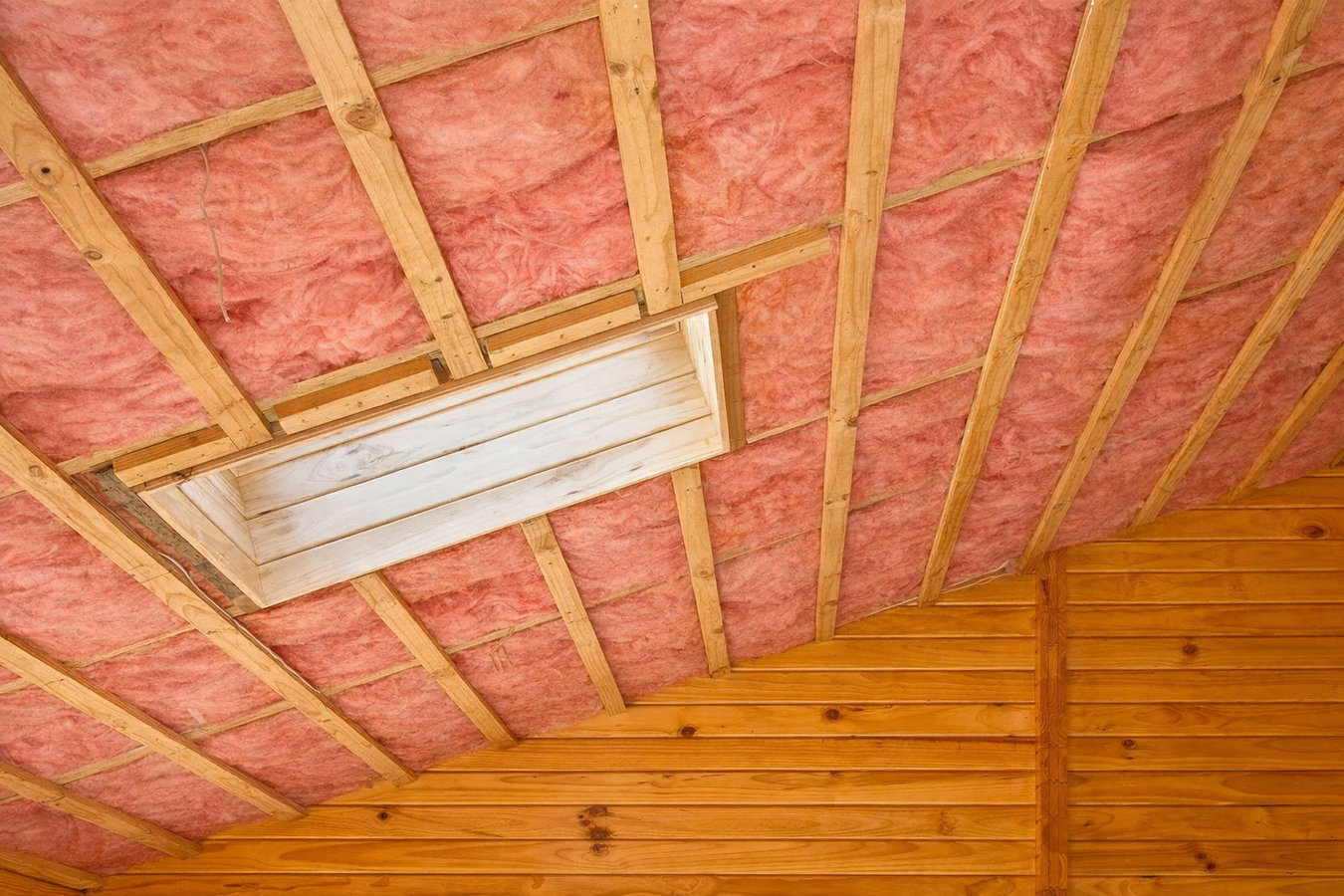
A properly insulated Charleston home stays comfortable all summer without your AC working overtime - and the savings show up every month on your power bill.
Home insulation in Charleston slows heat from moving through your attic, walls, and floors, making your living space consistently comfortable, with most whole-home projects completed in one to two days while you stay in the house.
Charleston homeowners deal with a specific combination that makes under-insulated homes especially painful: intense summer heat, persistent humidity, and a large share of housing stock built before modern energy codes existed. If your power bill spikes every summer, certain rooms never cool down, or your AC seems to run constantly just to keep up - your insulation is almost certainly part of the problem. A thorough assessment looks at your attic, walls, and crawl space together, because heat enters and escapes through all three.
Home insulation services often include insulation removal when existing material is damaged or compressed beyond usefulness, and wall insulation for older homes where walls were built with little to no insulating material. We assess all three areas before recommending a scope of work.
If your power bill climbs dramatically from May through September despite keeping the thermostat steady, your home is likely losing the battle against Charleston's heat. An air conditioner that runs almost nonstop is a strong sign that heat is getting in faster than your insulation can slow it down - a common complaint in older Charleston neighborhoods.
If upstairs bedrooms or rooms directly under the roof feel significantly warmer than the rest of the house, the insulation above them is likely thin or missing. In Charleston's summer heat, this problem becomes obvious quickly - rooms that stay uncomfortable even with the AC running full blast are telling you something important.
Charleston's ground moisture is persistent, and a crawl space without proper insulation and sealing allows moisture to migrate upward into floors and walls. A musty smell in a ground-floor room - especially after rain - is worth investigating. Soft or slightly springy spots in flooring can indicate moisture has been working on the wood structure beneath.
Hold your hand near an electrical outlet on an exterior wall and feel for a slight draft or temperature difference. If air is moving through, your wall insulation is either very thin or has settled over time. It is a quick, no-cost check any homeowner can do on their own - and one of the clearest indicators that wall insulation is missing.
A whole-home insulation project looks at your attic, walls, and crawl space as a connected system. Most homes in Charleston lose heat in all three places, and fixing only one without addressing the others leaves significant energy waste on the table. We start every project with a full assessment and a written estimate that breaks out the scope by area, so you know exactly what you are paying for before any work begins.
Depending on what the assessment finds, the project may include removing old or damaged material before adding new insulation - which is where insulation removal fits in. Older Charleston homes built before 1980 often need wall insulation added through a dense-pack process that avoids opening the walls. We match the material type to your home's construction and moisture profile - not a one-size approach.
The highest-impact improvement for most Charleston homes - adding blown-in or batt material to the attic floor to stop heat from radiating into living spaces.
Dense-pack blown-in for older homes where wall cavities are missing insulation, without opening the walls from the inside.
Insulating and sealing the floor cavity above the crawl space - critical for homes in Charleston's humid, moisture-prone environment.
Sealing gaps around pipes, wires, and fixtures before adding insulation - often responsible for more energy loss than thin insulation itself.
A large portion of Charleston's residential neighborhoods - including areas like Wagener Terrace, Avondale, and the Peninsula - feature homes built in the mid-20th century or earlier. Many were built with little to no wall insulation, and whatever attic insulation exists may be decades old and well past its useful life. Charleston also sits at or near sea level, and many homes are built on crawl spaces rather than slabs. Ground moisture in this environment is persistent, and without proper insulation and vapor management in the crawl space, that moisture works its way into floors and walls. Homeowners in North Charleston often encounter this combination - postwar homes with minimal wall insulation and crawl spaces that have never been properly sealed.
Charleston is also in an active hurricane zone, and storm-related damage - roof leaks and wind-driven moisture - can destroy insulation quickly. Many homeowners discover their insulation is compromised only after a storm, when the damage is already done. Scheduling an inspection before hurricane season is a practical habit. The U.S. Department of Energy recommends R-38 to R-60 for attic insulation in Charleston's climate zone - a level most older homes in the area do not come close to meeting. Homeowners in Goose Creek and surrounding communities face the same combination of older housing stock and high summer cooling loads that make proper insulation one of the most practical home improvements available.
We get back to you within one business day. The first conversation is short - home age, size, and what has been bothering you. Most customers are scheduled for a free assessment within the same week.
A technician looks at your attic, crawl space, and sometimes walls to see what is already there and what condition it is in. This usually takes one to two hours and is the basis for your written estimate.
You receive a written proposal that explains what is recommended, why, and what it costs - broken down by area so you can see exactly what you are paying for. Ask every question before signing anything.
Most attic jobs finish in a single day. The crew works mostly out of sight in the attic or crawl space. Before leaving, they walk you through completed work and provide documentation you need for any federal tax credit or utility rebate.
Free on-site assessment, written estimate. No obligation. We respond within one business day.
(843) 459-1691We are a locally based insulation contractor with crews that know Lowcountry homes. Experience matters because insulation work affecting your building envelope can impact permits and warranties, and we coordinate any permits your project needs.
From pre-1950 pier-and-beam homes on the peninsula to postwar brick ranches in West Ashley and newer subdivisions on James Island - we have worked on all of them. That range of experience means we know what to expect before we show up, not after.
We check for signs of moisture intrusion in your attic and crawl space before recommending anything. Installing insulation on top of a hidden moisture problem is one of the most common mistakes in this trade - and one we specifically avoid. Building Science Corporation documents why moisture assessment must come before insulation in humid climates.
We provide the itemized receipt and manufacturer product certification you need to claim the federal energy efficiency tax credit. You should not have to chase down paperwork after the job is done - we include it automatically.
Every one of these points reflects how we actually run jobs - not a list of marketing claims. Our goal is to make the experience predictable and the results verifiable, so you are not left wondering whether the work was done right.
Old or damaged insulation removed cleanly before new material is installed - handling both attic and crawl space.
Learn MoreDense-pack wall insulation for older Charleston homes where cavities were left empty during original construction.
Learn MoreThe longer an under-insulated home runs through summer, the more it costs you. Call today or submit the form and we will schedule your free assessment this week.