Loading...
Serving Charleston, SC and surrounding areas. (843) 459-1691
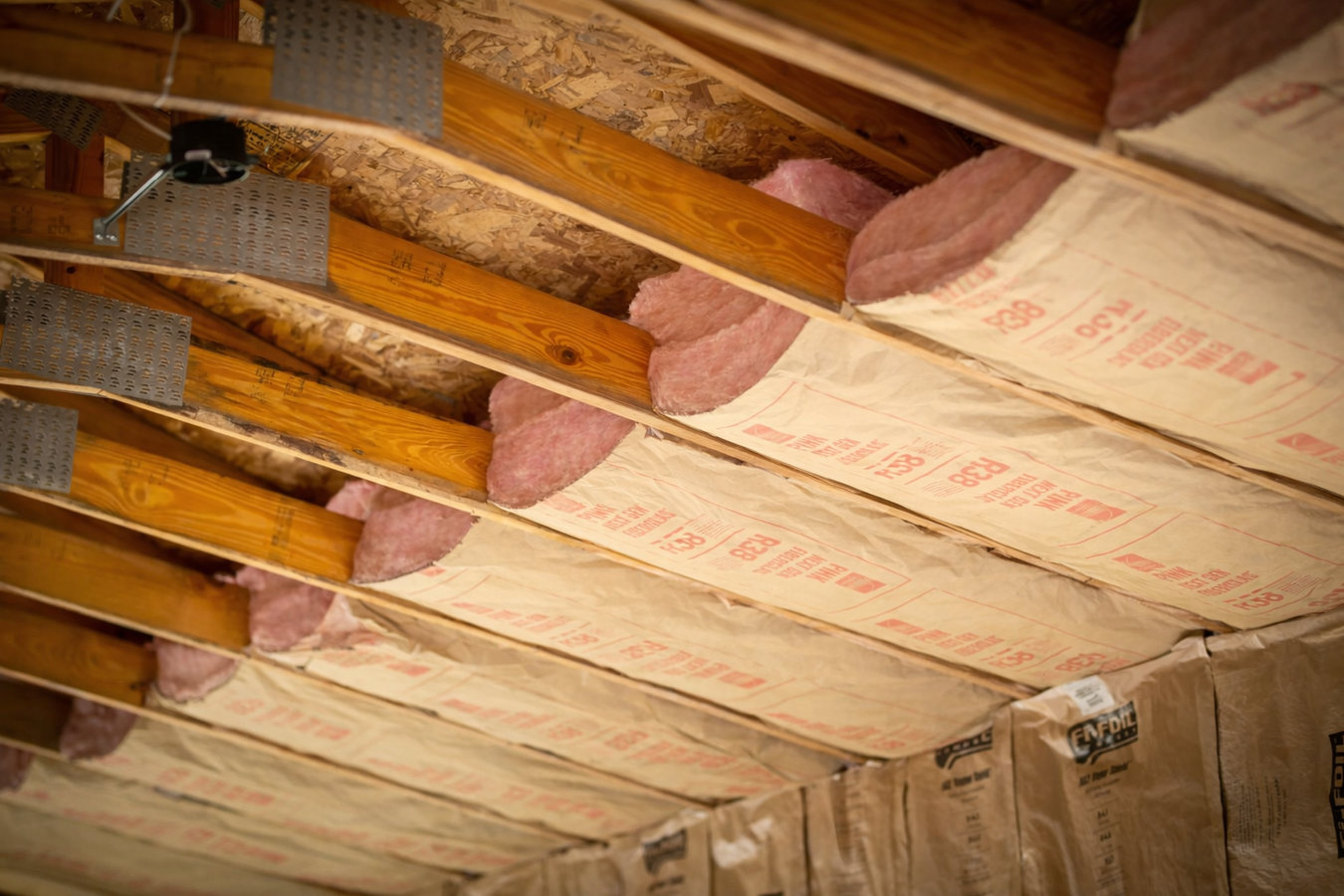
Your existing home can be properly insulated without tearing out walls or major construction. We add insulation to attics, crawl spaces, and wall cavities so your home finally holds the temperature it is supposed to.
Retrofit insulation in Charleston means adding insulation to a home that is already built - without tearing out walls or doing major construction - filling gaps in attics, crawl spaces, and wall cavities using methods designed for existing homes, with most attic jobs completed in a single day and crawl space work usually wrapping in one to two days.
Most homeowners are surprised how little disruption the work involves. Blown-in insulation is pumped directly into attic spaces and wall cavities through small access points, and spray foam expands to fill every gap in crawl spaces and rim joists without requiring demo work. The attic is by far the biggest opportunity in most homes - heat rises, and an under-insulated attic lets it escape in winter and pour back in during summer. For Charleston homes where the crawl space is also a concern, pairing retrofit insulation with a whole-home insulation strategy addresses both at once rather than scheduling two separate visits.
If your home was built before the mid-1980s and you have never had insulation work done, there is a reasonable chance you are under-insulated by today's standards - and paying for it every month in energy bills.
If the second floor of your home is noticeably hotter in summer than the first floor - even with the AC running - your attic insulation is likely thin or missing in spots. In Charleston, where attic temperatures can exceed 140 degrees on a summer afternoon, a poorly insulated attic pushes heat directly into your living space. This is one of the most common complaints homeowners have before discovering their insulation is inadequate.
Charleston's cooling season is long, but your bills should not keep climbing every year without explanation. If your air conditioning costs have crept up steadily and your system seems to run constantly without getting the house comfortable, poor insulation is often the culprit. A home that is well-insulated holds the cool air your system works hard to create - one that is not forces the system to make up the difference every single hour.
This is a signal specific to Charleston's crawl space homes. If your floors feel slightly soft, cold, or damp in humid months, or if you notice a musty odor that gets worse after rain, moisture is likely getting into your home from below. That is a sign your crawl space has insufficient insulation, no vapor barrier, or a damaged one - all of which can be addressed with retrofit work.
Homes built in Charleston before the mid-1980s were often constructed with minimal insulation by today's standards, or none at all in the walls. If you have lived in your home for years and never had an insulation assessment done, there is a reasonable chance you are losing energy through the attic, walls, and floor every day. This is not a sign of a problem with your home - it simply reflects when and how it was built.
We install blown-in fiberglass and cellulose insulation in attic spaces, bringing coverage up to the R-values the Department of Energy recommends for Charleston's climate zone. For crawl spaces, we use closed-cell spray foam and vapor barrier systems that resist the Lowcountry's year-round moisture - not fiberglass batts, which can absorb humidity over time and lose their effectiveness in this climate. For exterior walls, we can add insulation through small access points that we drill and patch cleanly. We pair attic work with spray foam insulation wherever air sealing and thermal performance need to work together in the same space.
Before any insulation goes in, we remove old or damaged material that would compromise the new installation. After the work is done, we provide a written record of exactly what was installed - including material type and thickness - which you will need if you plan to claim the federal tax credit for insulation upgrades or if you ever sell the home.
Best for homes where the attic has thin or inconsistent coverage - fast to install and immediately effective at reducing heat gain from above.
Suited for Charleston's raised-foundation homes where ground moisture and heat loss through the floor are both ongoing issues.
For homes with little or no wall insulation, added through small access points with minimal visible disruption to interior finishes.
For homeowners who want to address the attic, crawl space, and walls in a single project to maximize performance without scheduling multiple visits.
Charleston averages more than 100 days per year above 90 degrees, and the humidity makes it feel hotter. That means your air conditioner is working from April through October - and if your attic or crawl space is poorly insulated, you are paying to cool air that is constantly being reheated from above and below. Retrofit insulation in Charleston pays for itself faster than it would in a milder climate because the cooling season is so long and the energy losses are happening year-round, not just in winter. Homeowners across Summerville and Goose Creek - communities with large shares of pre-1990 housing - often see the most immediate improvement after a retrofit job.
Charleston's crawl space homes present a particular challenge. A large share of the area's housing stock sits on raised foundations or pier-and-beam systems - a traditional Lowcountry building style that leaves the floor exposed to humid air underneath. Without proper insulation and a sealed vapor control layer, moisture migrates upward into your floors and living areas. Federal incentives through the ENERGY STAR federal tax credit program can offset a meaningful portion of the project cost for qualifying upgrades.
We ask a few short questions about your home's age, size, and what has been bothering you - high bills, uneven temperatures, a damp crawl space. We reply within one business day and schedule an in-home assessment at a time that works for you.
A contractor walks your attic, crawl space, and any other areas of concern. They look at what is already there, how thick it is, whether moisture damage exists, and where the biggest gaps are. A thorough contractor explains what they find in plain terms before handing you a quote.
You receive a written estimate breaking down the proposed work, materials to be used, and total cost. This is when we clarify whether a permit is needed and answer questions about timeline. Nothing moves forward until you are comfortable with the plan and the price.
Most attic jobs are done in a single day. Before the crew leaves, we walk you through the finished work and hand you documentation of the materials installed - the same paperwork you will need if you are claiming a federal tax credit at year end.
Our assessment is at no charge, with no pressure to book. We show you exactly what is in your attic and crawl space and what it would take to fix it - then the decision is yours.
(843) 459-1691We do not recommend the same materials in every situation. In Charleston's crawl spaces, we consistently favor closed-cell spray foam over fiberglass batts because the moisture environment here degrades batts over time. In attics, we match material to ventilation conditions. The wrong material in the wrong location loses effectiveness within a few years - a fact that matters more in Charleston's humidity than in a drier climate.
Before the crew leaves, we do a walkthrough with the homeowner and provide photos of the completed work - especially in the attic, where you can confirm even coverage with your own eyes. A well-done attic job has consistent coverage with no thin spots or gaps around fixtures. You should be able to see that for yourself, not just take our word for it.
The federal insulation tax credit is real money - up to 30 percent of qualifying project costs - but only if you have the right paperwork from your contractor. We provide a written material record for every retrofit job that meets the criteria, so you have what your accountant needs when tax season arrives without having to track us down months later.
We know which Charleston retrofit projects trigger a permit requirement. If your project needs a permit through the City of Charleston's Building Inspection Services, we pull it and manage the process. Permits protect you - they give you independent confirmation the work meets current standards, which matters if you sell the home or file an insurance claim.
Retrofitting an existing home requires more judgment than new construction - the right material choice, the right sequencing, and honest advice about where the biggest gains actually are. Those are things a contractor who knows Charleston's homes and climate delivers consistently.
When a retrofit project needs air sealing and thermal performance in one material, spray foam handles both jobs in crawl spaces, rim joists, and wall cavities.
Learn MoreA whole-home insulation assessment that identifies the attic, walls, and crawl space together so you can prioritize upgrades for maximum comfort and savings.
Learn MoreMost Charleston retrofit insulation jobs are done in a single day. Call us or request a free estimate online - we reply within one business day and can often schedule within the week.