Loading...
Serving Charleston, SC and surrounding areas. (843) 459-1691
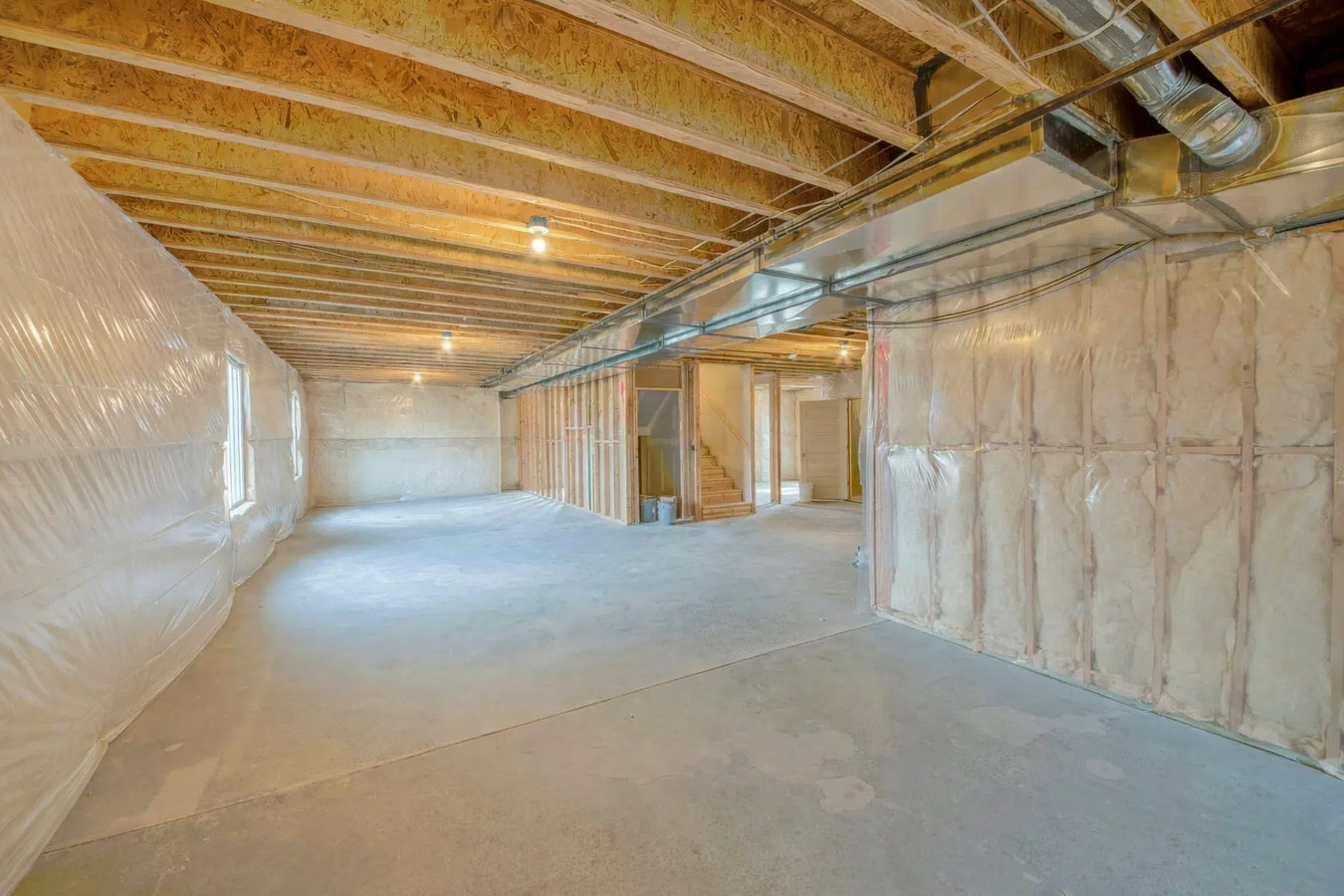
If your floors feel cold in winter or your energy bills spike every summer, your crawl space or basement is likely the cause. We fix that with the right materials for Charleston's humid climate.
Basement and crawl space insulation in Charleston creates a thermal barrier between the ground and your living space, reducing heat and moisture transfer, and most residential projects are completed in one to two days.
Most Charleston-area homes sit on crawl spaces rather than full basements, which means the floor beneath your feet is the first line of defense against the region's relentless summer heat and humidity. When that space goes uninsulated, your HVAC system fights an uphill battle all season. If you have also noticed moisture issues below your home, pairing basement insulation with crawl space insulation gives you the most complete solution.
Charleston's historic housing stock - with brick pier foundations, original plumbing, and decades of settling - requires more care and skill than a newer build. We assess every space before recommending a material, because the right call in a 1940s West Ashley home is often different from the right call in a 2005 Johns Island subdivision.
If your ground-level floors feel noticeably cold underfoot during Charleston's mild winters, the space below is likely uninsulated or poorly insulated. Cold air from below is winning the battle against your heating system. This is one of the most common complaints from homeowners in older Peninsula and West Ashley homes.
A persistent musty or earthy odor drifting up from a crawl space or basement is a strong sign that moisture is collecting down there. In Charleston's climate, an uninsulated crawl space acts like a sponge, pulling in humid outdoor air and holding it against wood and concrete. If you can smell it, the problem has already started.
Charleston summers are long and humid, and an uninsulated crawl space allows heat and moisture to seep upward into your living space. If your air conditioner seems to run nonstop from June through September without keeping up, the problem may be coming from below. Insulating the lower level is often one of the most cost-effective ways to cut summer cooling costs.
If you notice open foundation vents, gaps around pipes, or visible daylight through the crawl space, outdoor air is moving freely into the space beneath your floors. This is a direct path for humidity, insects, and heat loss into your home. Sealing and insulating these openings is the first step toward a more comfortable and efficient house.
We offer two main approaches to basement and crawl space insulation: insulating the foundation walls to bring the below-grade area inside your home's thermal envelope, or insulating the floor joists above the space when leaving it unconditioned makes more sense. For most Charleston homeowners dealing with humidity, we recommend pairing the right insulation material with closed-cell foam insulation, which resists moisture far better than fiberglass or open-cell alternatives.
For homes where moisture has already been a problem - or where flooding risk is a real concern near the Ashley River or in low-lying neighborhoods - full encapsulation is often the most practical long-term solution. This combines insulation, a ground vapor barrier, and air sealing into a single scope of work. We also recommend considering crawl space insulation as part of that scope, since the two services address the same problem from different angles.
Best for conditioned basements or crawl spaces where you want to bring the below-grade area inside the thermal envelope.
Ideal for unconditioned crawl spaces where insulating the ceiling above the space is the most practical approach.
Combines insulation, vapor barrier, and air sealing for the most complete moisture and energy solution in Charleston's humid climate.
Charleston sits in one of the most humid climates in the continental United States, with average relative humidity regularly exceeding 70 percent and a cooling season that stretches from April through October. An uninsulated crawl space is not just an energy problem here - it is a moisture problem. Warm, moisture-laden outdoor air finds its way into unprotected spaces and holds there against wood framing and concrete, feeding mold and rot over time. The homeowners we hear from in James Island and across West Ashley most often describe the same symptoms: cold floors, high summer bills, and a musty smell they cannot get rid of.
The historic housing stock adds another layer of complexity. Homes on the Peninsula and in older neighborhoods were built with brick pier foundations and original plumbing that was never designed with modern energy codes in mind. Parts of Charleston near the Ashley River and other tidal areas also carry flood risk that changes what materials make sense - standard fiberglass batts hold water and fail quickly in these environments. We regularly serve homeowners in North Charleston and across the metro area who have been dealing with these issues for years without a real solution. The right materials and a proper moisture assessment upfront make all the difference.
When you reach out, we ask a few basic questions - the size of your home, whether you have a crawl space or a full basement, and whether you have noticed any moisture issues. We reply within 1 business day and can typically schedule an in-person visit within a few days.
A qualified technician goes into the crawl space or basement to assess what is there now, check for moisture or mold, and measure the space. This visit is free and usually takes 30 to 60 minutes. A contractor who quotes over the phone without seeing the space is guessing.
After the assessment, you receive a written estimate outlining the scope of work, materials, and total cost. We explain why we are recommending a particular approach given your moisture situation. Take time to compare two or three estimates before deciding.
The crew arrives, seals gaps, and applies insulation - most jobs finish in one full day. When work is complete, we walk you through what was done, point out anything we found, and confirm the space is clean. Ask for any warranty documentation before the crew leaves.
Free assessment. Written estimate. No pressure - just honest answers about what your space needs.
(843) 459-1691Charleston sits in one of the most humid climates in the country, and crawl space insulation in this region is not the same job as it is in a drier state. We know which materials hold up against Lowcountry humidity and which ones fail quietly over time.
We assess your crawl space for drainage issues, mold, and moisture before recommending any material. Sealing over an active moisture problem is one of the most common and costly mistakes in this business - we do not skip that step.
We pull all required permits and our work is built to meet South Carolina's energy code standards. A permitted and inspected job gives you documented proof of quality that holds up during a home sale or insurance claim.
We have worked on older historic homes with brick pier foundations and newer suburban builds with modern crawl spaces. Whether your house is from the 1890s or the 1990s, we bring the right approach to the job. The U.S. Department of Energy recommends properly insulating and air-sealing crawl spaces as one of the most effective home energy upgrades available.
U.S. Department of EnergyEvery one of these proof points comes back to the same thing: we do the job the right way for this climate, not the fastest way. When you call us, you get a contractor who has seen the inside of Charleston crawl spaces across all kinds of homes and knows what actually works here.
The moisture-resistant foam material most often recommended for Charleston crawl spaces and basement walls.
Learn MoreFocused service for the crawl space beneath your home, including encapsulation and vapor control.
Learn MoreCharleston's cooling season starts early - reach out now and we will have your space assessed and scheduled before the humidity rolls in.