Loading...
Serving Charleston, SC and surrounding areas. (843) 459-1691
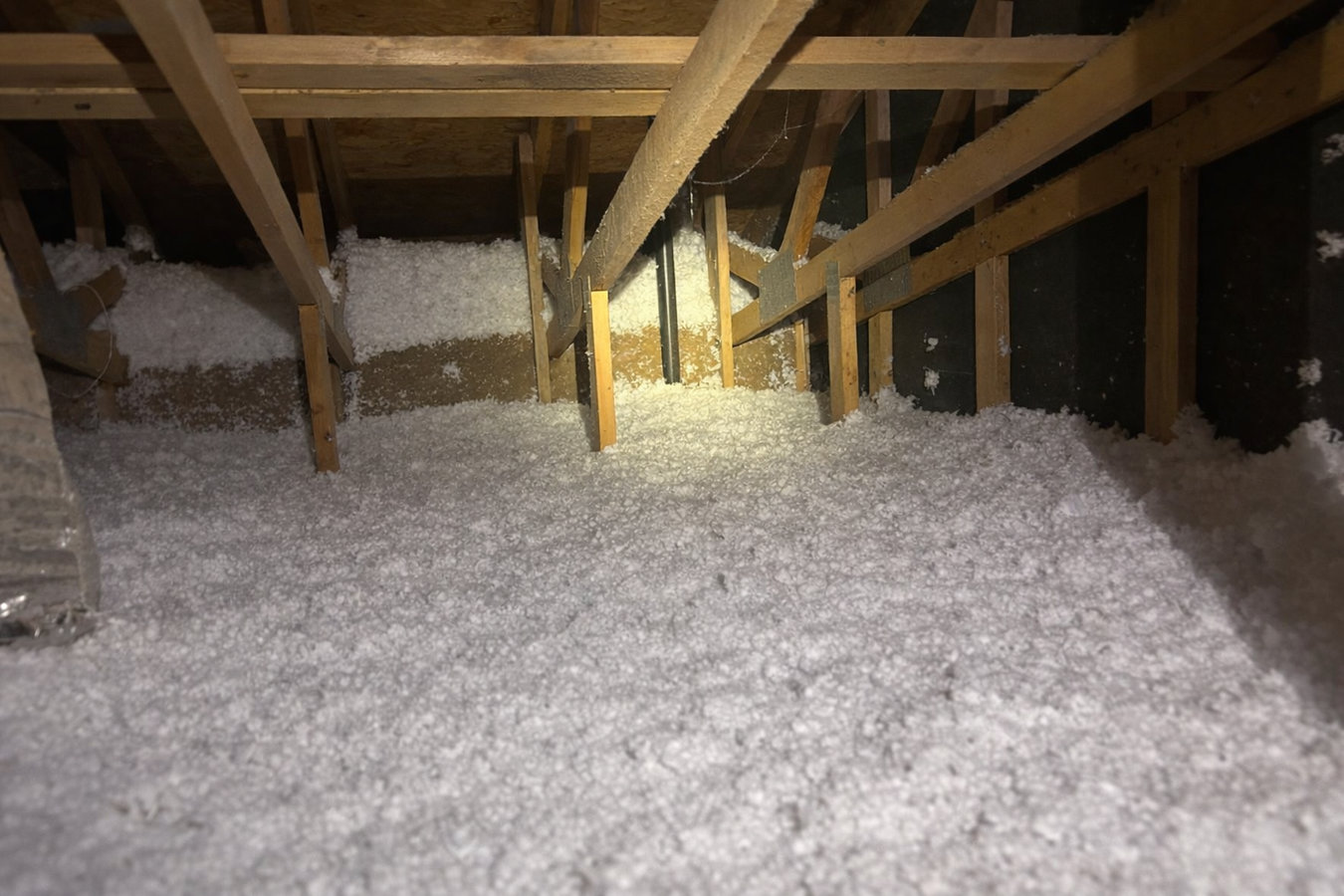
Loose-fill blown-in insulation reaches every corner batts miss - giving Charleston attics and walls the complete coverage needed to keep summer heat where it belongs.
Blown in insulation in Charleston is loose material - fiberglass or cellulose - that a contractor blows into your attic floor or wall cavities using a hose connected to a truck-mounted machine, covering irregular spaces completely, with most standard attic jobs finished in two to four hours the same day.
If your upstairs rooms feel like a furnace every summer, or your energy bill keeps climbing for no clear reason, the attic is almost always the first place to look. Charleston sits in a hot and humid climate zone where attic temperatures can reach 140 degrees on a July afternoon - and under-insulated attics let that heat pour straight into your living space no matter how hard your AC runs. Blown-in material fills gaps that rigid batts simply cannot reach, including the irregular framing common in homes built before 1985.
Many Charleston homeowners find that blown-in attic insulation pairs well with whole-home insulation and attic insulation work to create a more complete thermal envelope from top to bottom.
If your second floor or rooms directly under the roof feel significantly hotter than the rest of the house from June through September, your attic insulation is likely the cause. In Charleston's climate, this problem becomes obvious fast - the AC runs constantly but the upstairs never cools down.
If your power bill has crept up over the past few years without any change in your habits or appliances, heat loss through an under-insulated attic is one of the most common causes. An attic that lets heat in forces your HVAC to run longer cycles, and that shows up directly on your monthly statement.
If you look into your attic and can clearly see the wooden framing between the insulation, you do not have enough. Properly insulated Charleston attics should have material deep enough to completely bury the joists - typically 10 to 16 inches of blown-in material for this climate zone.
A previous roof leak or pest activity can compress, contaminate, or damage existing insulation. In Charleston's humid environment, even a small amount of moisture in insulation can lead to mold growth over time. If you have dealt with any of these issues, an assessment before the next cooling season is a smart first step.
We install both fiberglass and cellulose blown-in insulation depending on your home's needs and moisture profile. Fiberglass holds up well in humid coastal conditions and is a reliable choice for attic floors across the Charleston area. Cellulose - made from recycled material treated for fire and pest resistance - fills irregular cavities slightly better and is an option for walls and tight attic spaces. Before any material goes in, we seal air gaps around light fixtures, pipes, and other openings in the attic floor, because those leaks are often bigger energy wasters than thin insulation itself.
Blown-in insulation is one part of a broader approach to keeping your home comfortable. Depending on what our assessment finds, we may also recommend home insulation work covering your walls and crawl space, or standalone attic insulation if the attic alone is the primary issue. We give you a written estimate covering the exact scope before any work begins.
Best suited for attic floors in humid coastal climates - holds its R-value well and resists moisture better than paper-based alternatives.
Ideal for irregular attic shapes and wall cavities where complete fill coverage is the priority, with a high recycled content.
The most common application - adding depth to an existing attic floor to reach the R-38 to R-60 range recommended for this climate zone.
For older Charleston homes where wall insulation is missing or inadequate, blown-in material can be installed through small drilled holes without opening walls.
Charleston sits in a hot and humid climate zone where attic temperatures climb well above 130 degrees on summer afternoons. A large share of the city's housing stock was built before 1980 - including homes in neighborhoods like Wagener Terrace, Avondale, and West Ashley - when insulation standards were far less demanding than they are today. Many of these homes have attic insulation that has settled, been disturbed by pest activity, or gotten wet from past roof issues. Blown-in installation is particularly well suited to these older homes because it fills the irregular framing and tight corners that rigid batts cannot reach. Homeowners in Summerville and across the metro often discover their attic has far less coverage than they assumed once a contractor measures the actual depth.
Charleston's average relative humidity regularly exceeds 70%, and the city sees significant rainfall year-round. This matters because moisture can degrade certain insulation materials over time. A good contractor checks for moisture intrusion before installing anything. In many homes - particularly those on James Island and other areas with crawl space foundations - the floor cavity above the crawl space is also a significant source of heat loss. Homeowners in James Island should ask whether both areas need to be addressed as part of the same project. We also provide documentation for the IRS energy efficiency tax credit that may apply to your project.
Call or submit the form and we will get back to you within one business day. We ask a few basic questions - your home's square footage, when it was built, and whether you have had any recent roof or moisture issues - so we show up prepared.
A technician goes into your attic to measure existing depth, check for air leaks, and look for moisture or pest damage that needs to be addressed first. This visit usually takes 30 to 60 minutes and forms the basis of your written estimate.
You receive a written quote that breaks down scope and cost before anything is scheduled. It explains what R-value you are starting with and what you will end up with - no surprises on the invoice.
The crew arrives with a truck-mounted blowing machine, seals air gaps first, then blows material in even layers. Before leaving, they verify depth with a gauge and leave a depth ruler in your attic so you can confirm coverage yourself anytime.
Free written estimate. No obligation. We respond within one business day.
(843) 459-1691We are a locally based insulation contractor serving the Charleston area with experienced crews. That matters because insulation work on your building envelope can affect permits and warranties, and we coordinate any permits your project needs.
We work in homes across the Charleston area regularly - from pre-1950 pier-and-beam construction on the peninsula to postwar brick ranches in West Ashley. Knowing how these homes are built means we come prepared, not guessing.
We leave a visible depth ruler in your attic after every blown-in installation - a simple marker you can check yourself anytime to confirm the job was done to spec. The North American Insulation Manufacturers Association recommends this practice as a standard quality checkpoint.
You receive a written quote after the assessment that explains scope, R-value targets, and total cost. No phone-call estimates, no surprises on the invoice. We can usually schedule the assessment within the same week you reach out.
Every proof point above translates directly to a better experience for you - from the first call to the finished attic. We combine local knowledge of Charleston's housing with a straightforward process designed to reduce the anxiety that comes with hiring a contractor you have never worked with before.
A complete insulation assessment covering your attic, walls, and crawl space in one coordinated project.
Learn MoreTargeted attic insulation service for Charleston homes where the ceiling is the primary heat gain point.
Learn MoreSummer is the worst time to discover your attic is under-insulated. Call or submit the form today and we will schedule your free assessment within the week.