
Loading...
Serving Charleston, SC and surrounding areas. (843) 459-1691
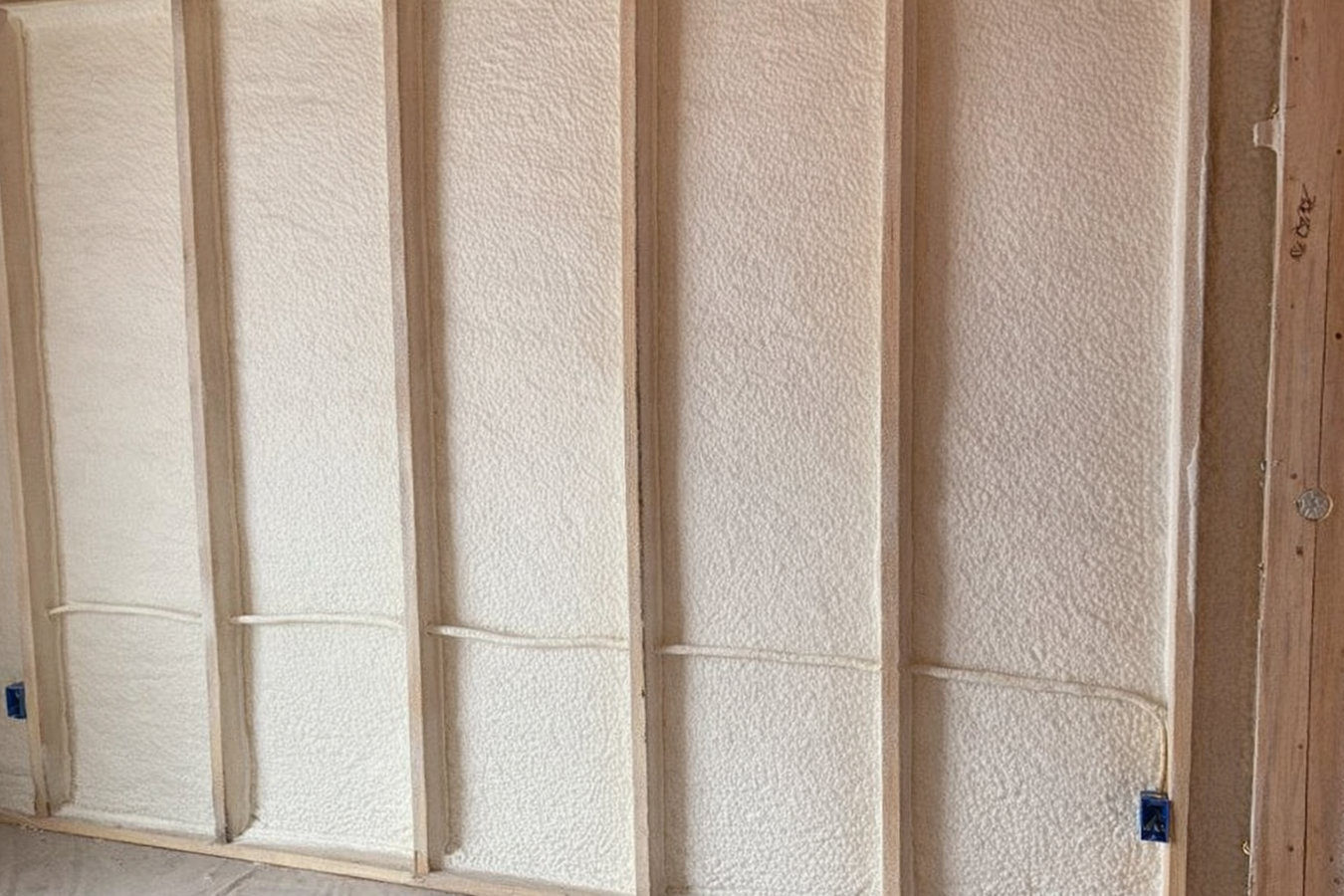
Charleston's humidity demands more than standard insulation. Closed-cell spray foam seals air gaps and resists moisture in one application - which is why it is the first choice for crawl spaces, attics, and exterior walls in this climate.
Closed-cell foam insulation in Charleston is a spray-applied material that expands, hardens, and creates a dense, moisture-resistant layer that seals air gaps and slows heat transfer at the same time, and most residential jobs are completed in a single day.
What makes closed-cell foam different from other insulation types is that it does two jobs at once. Most insulation only slows heat from moving through walls - closed-cell foam also acts as an air barrier, blocking the tiny cracks and gaps that let conditioned air escape and humid outdoor air sneak in. For a home in Charleston, where the air is thick with moisture for most of the year, that air-sealing function is often more valuable than the insulation value itself. If you are comparing foam types, our open-cell foam insulation page covers where the lighter alternative makes sense.
Older homes in Charleston - especially those built before the mid-2000s on the Peninsula, in West Ashley, or on James Island - tend to have more air infiltration points than newer construction. Gaps around original plumbing, settling at wall plates, and attic bypasses that were never sealed are common. For homeowners in these neighborhoods, a properly installed spray foam job often delivers a more dramatic improvement in comfort and energy bills than the same job would in a newer, tighter home.
Charleston summers are long and brutal, and your air conditioner works hardest when hot, humid air leaks into your home through gaps in the building envelope. If your cooling bills feel disproportionately high or have climbed steadily over the past few years without a clear cause, poor air sealing and insulation is one of the first places to investigate.
If one room is always stuffy and humid in summer or drafty in winter while the rest of the house feels fine, that room likely has a gap in its insulation or air barrier. In older Charleston homes on the Peninsula or in West Ashley, this often traces to an attic hatch, a knee wall, or a rim joist that was never properly sealed.
If you shine a flashlight in your crawl space and see daylight through gaps around pipes or wires, air is moving freely in and out. In Charleston's humid climate, that moving air carries moisture with it. Condensation on pipes or wood framing is a warning sign that humid outdoor air is already doing damage below your floors.
A musty odor that lingers even after cleaning often signals mold or mildew growth somewhere in the building envelope - frequently in the crawl space or attic. In Charleston, this is almost always tied to moisture infiltration through an unsealed area. Spray foam alone will not remediate existing mold, but sealing the air pathway that fed it is a necessary step in solving the problem for good.
We install closed-cell spray foam in crawl spaces, attics, rim joists, and wall cavities throughout the Charleston area. Crawl space encapsulation is our most requested application - combining foam on the walls and rim joists with a ground vapor barrier to turn a damp, problematic space into a dry, stable part of your home's thermal envelope. This is also a natural complement to our open-cell foam insulation service, which suits interior walls and attic decks where moisture resistance is less critical.
For homeowners weighing their options, closed-cell foam makes the most sense anywhere that sees humidity, moisture exposure, or needs high R-value in a thin profile. It is also worth knowing about the federal energy efficiency tax credit - as of recent tax years, qualifying insulation improvements may be eligible for a credit covering up to 30 percent of the cost. For a broader overview of foam options and where each fits, see our spray foam insulation page. Ask your contractor whether the specific product they use qualifies, and keep your receipt and any manufacturer certification for your tax filing.
Foam applied to crawl space walls and rim joists - the most common and highest-impact application for Charleston homes dealing with moisture and humidity from below.
Foam sprayed to the underside of the roof deck creates an unvented attic assembly, keeping your HVAC equipment in conditioned space and reducing summer heat gain significantly.
For new construction or gut renovations where wall cavities are accessible, closed-cell foam delivers high R-value per inch with built-in air and moisture control.
Charleston sits in climate zone 3A - hot-humid - and that classification shapes every insulation decision. Average relative humidity regularly exceeds 70 percent, summers are long, and the city's low-lying topography means many homes sit on crawl spaces that are exposed to ground moisture year-round. Warm, moisture-laden air finds its way into any gap or unsealed surface it can reach, and once it does, it condenses on cooler interior surfaces and feeds mold. Closed-cell foam is preferred here precisely because it resists that moisture rather than absorbing it. Homeowners in Mount Pleasant and across the barrier islands face particularly high humidity exposure and benefit most from the air-sealing properties of this material.
Hurricane season is also a practical consideration. Charleston sits squarely in the Atlantic hurricane corridor, and awareness of home resilience spikes every year between June and November. Closed-cell foam adds a small but real degree of structural rigidity to wall cavities and roof decks - a secondary benefit worth knowing about. Many homeowners schedule foam jobs in late winter or early spring to beat the seasonal demand surge. Homeowners in Folly Beach and other coastal communities face the most direct wind and moisture exposure, and closed-cell foam is one of the most practical upgrades available for homes in those locations. The U.S. Environmental Protection Agency provides guidance on spray polyurethane foam safety and installation standards for homeowners considering this upgrade.
When you reach out, we ask a few basic questions: what area you want insulated, whether you have had moisture or mold issues, and roughly how old your home is. We respond within 1 business day and can typically schedule an on-site estimate within a week or two - spring and early summer book faster, so earlier is better.
A technician walks through the area to be insulated - your attic, crawl space, walls, or a combination - and takes measurements. They are also looking for current moisture issues and assessing how accessible the space is for spray equipment. This visit usually takes 30 to 60 minutes.
You receive a written quote specifying the area to be covered, the thickness of foam, and the total price. Read it carefully and compare it to any other quotes - make sure you are comparing the same coverage area and foam thickness, not just the final number. A significantly lower quote usually means a different scope.
Plan to be out of the home for the full installation day - bring your pets. The crew applies the foam in passes, building up to the specified thickness. Most residential jobs finish in four to eight hours. We give you a specific re-entry time in writing before we start, and walk you through the finished work before we leave.
Free on-site assessment. Written estimate. No obligation - we walk you through what your home needs before you decide anything.
(843) 459-1691Charleston's year-round humidity makes moisture resistance a requirement, not a bonus. Closed-cell foam is our most recommended product for crawl spaces, rim joists, and exterior walls in this climate because it seals air and resists water - two things fiberglass and open-cell foam cannot reliably do in sustained heat and humidity.
Sealing over an active moisture problem makes things worse, not better. Before we recommend any material or quote any price, we assess the space for drainage issues, existing mold, and condensation risk. That step protects your investment and keeps us from solving the wrong problem.
Charleston homeowners tend to book insulation work in late winter and early spring, before hurricane season and summer demand surge. Scheduling in February or March typically means shorter wait times and more flexibility in crew availability. If you wait until May, expect a longer lead time.
We pull all required permits before starting any job and coordinate the inspection process for you. Permitted, documented work gives you a clear record that holds up during home sales and future reference.
The combination of climate expertise, a proper pre-job assessment, and permitted, documented work is what separates a lasting installation from one that fails quietly over time. When you hire us for closed-cell foam, you get a contractor who understands what the Lowcountry climate demands and builds accordingly.
A lighter, more affordable foam option suited for interior walls and attic applications where moisture resistance is less critical.
Learn MoreAn overview of all spray foam options - closed-cell and open-cell - and where each one makes the most sense in a Charleston home.
Learn MoreCharleston's cooling season arrives early, and demand surges in May. Call today and we will have your home sealed before the summer humidity peaks.