
Loading...
Serving Charleston, SC and surrounding areas. (843) 459-1691
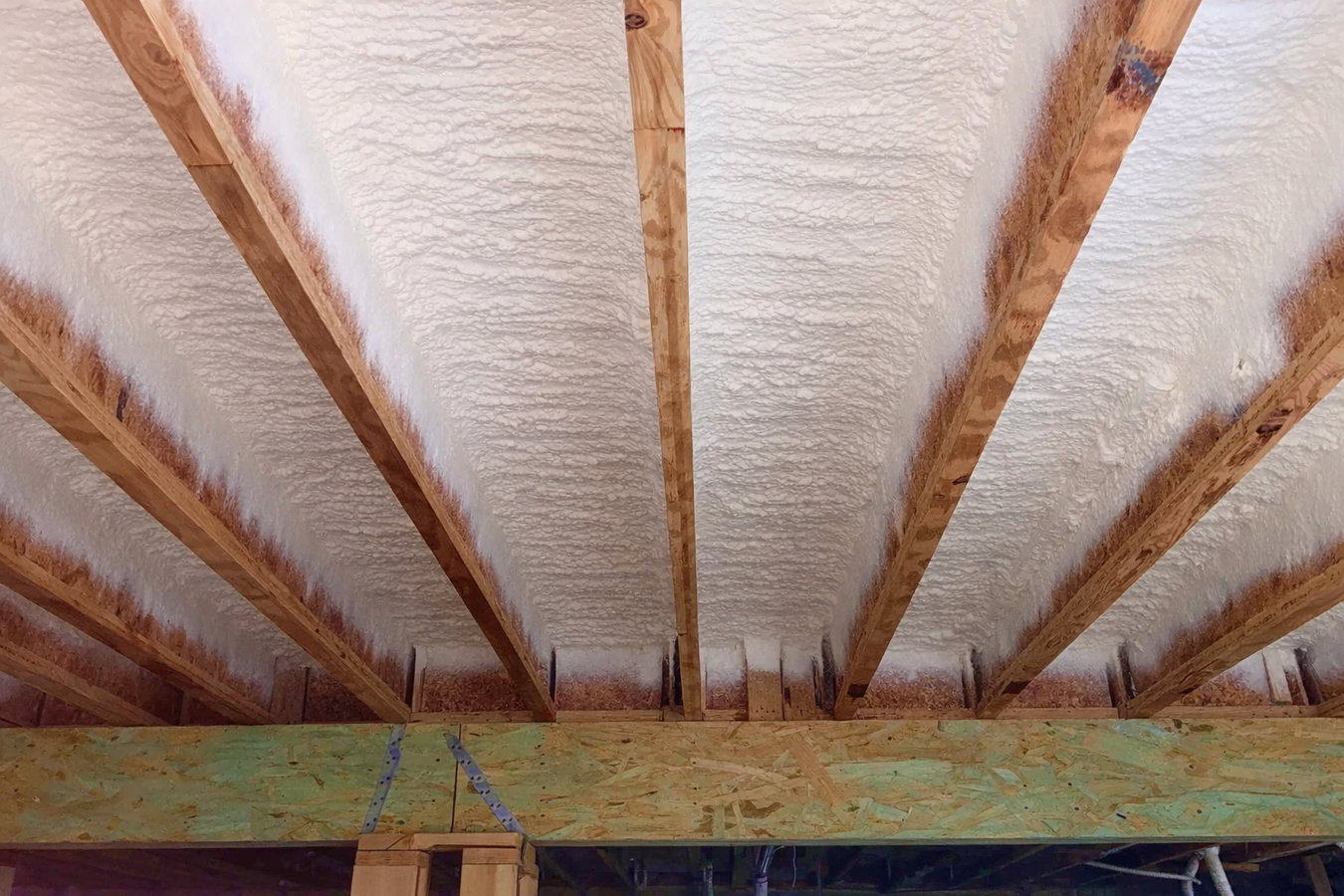
Charleston's humidity gets under your home just as fast as it gets inside it. We insulate and seal crawl spaces so moisture stops working against you - and your floors and energy bills show the difference.
Charleston's humidity gets under your home just as fast as it gets inside it. We insulate and seal crawl spaces so moisture stops working against you - and your floors and energy bills show the difference.
Crawl space insulation in Charleston, SC acts as a thermal and moisture barrier between the ground beneath your home and the living space above it, slowing heat transfer and reducing humidity infiltration. Most residential jobs are completed in one to two days.
A large share of Charleston homes sit on crawl space foundations rather than slabs, and in the Lowcountry climate, those crawl spaces work against you when they are unsealed or poorly insulated. Ground moisture rises, outdoor air finds its way in through vents and gaps, and over time the insulation above absorbs enough humidity to lose its effectiveness - and sometimes to grow mold.
If your crawl space has visible damage or contamination, removing the old material before installing new insulation is the right approach - and we can handle both phases. Many homeowners also add a crawl space vapor barrier as part of the same project to address ground moisture at the source.
If floors in your home feel noticeably cold underfoot during Charleston's damp winters, or warm and uncomfortable in summer, the crawl space below is likely transferring outdoor temperatures directly into your living space. This is one of the clearest signs the insulation below your floor is missing, thin, or no longer working.
Charleston's humidity means crawl spaces can become breeding grounds for mold and mildew, and the air in that space eventually makes its way up into your living area. A persistent musty odor - particularly in lower-level rooms or near floor vents - often traces back to a damp, uninsulated crawl space.
If your heating and cooling costs have crept up over the past few years and you have not changed your habits, a deteriorating crawl space is a common culprit. Insulation that has absorbed moisture or fallen away from the floor joists stops doing its job quietly - you will not see it fail, but you will feel it in your utility bills.
If you can look into your crawl space hatch, watch for insulation hanging down from the floor joists, any pooled water on the ground, or material that is visibly dark and wet. Any one of these is a reason to call a contractor. In Charleston's flood-prone neighborhoods, standing water after heavy rain is not unusual - but it should not be a permanent condition.
Every job starts with a thorough inspection of the crawl space - checking for moisture, standing water, mold, pest damage, and the condition of any existing insulation. We do not skip this step because putting new insulation into a wet or damaged space creates bigger problems than it solves. If old material needs to come out first, we handle that before anything new goes in. We install insulation between the floor joists or, for homes that benefit from full encapsulation, we seal the crawl space walls and floor as a complete system. For homeowners considering a full moisture solution, we also install a crawl space vapor barrier as part of the same project.
We also connect crawl space insulation projects with broader wall insulation work when homeowners want to address multiple parts of the building envelope at once. Addressing the crawl space and the walls together can meaningfully improve comfort in older Charleston homes where drafts and moisture are coming in from several directions.
Best for homes with a dry crawl space that needs a thermal barrier between the ground and the living area, without changing the crawl space ventilation.
Suited for Charleston homes with persistent moisture issues - seals the entire crawl space to control humidity, prevent mold, and protect wood structure.
Combines insulation with a ground cover vapor barrier for homes where moisture rising from the soil is the primary driver of crawl space problems.
Charleston consistently ranks among the most humid cities in the United States, with average relative humidity hovering around 75 percent year-round. In a crawl space, that humidity translates directly into moisture accumulation, wood softening, and mold - which means any insulation job here must address moisture before or alongside the insulation itself. Many homeowners in older Charleston neighborhoods, including areas like Avondale and West Ashley, have homes built in the mid-20th century when crawl space sealing was not standard practice. These homes often have open crawl space vents, no vapor barrier, and original insulation that has long since deteriorated. According to the U.S. Department of Energy, sealing and insulating a crawl space can reduce heating and cooling costs in homes where the crawl space was previously uninsulated or poorly insulated.
Flood risk adds another layer of complexity in Charleston. Many neighborhoods sit in low-lying areas with a high water table, and periodic flooding - including nuisance flooding from heavy rain - is common. The type of insulation and whether full encapsulation is appropriate depends in part on the flood history of your specific address. We serve homeowners throughout the metro, including Goose Creek and Summerville, where crawl space foundations are common and the same moisture challenges apply.
We ask a few basic questions - your address, approximate home size, and any signs of moisture or odors you have noticed. Most customers hear back within one business day and are scheduled for an in-person estimate within the same week.
We physically enter the crawl space - not just look from the hatch. We check for moisture, mold, pest activity, existing insulation condition, and current ventilation. This inspection takes 30 to 60 minutes, and we walk you through what we found before we leave.
Your estimate breaks down each phase of work - removal if needed, vapor barrier, insulation - so you understand exactly what you are paying for. If we recommend addressing moisture before installing new material, that is listed separately. No verbal quotes.
Most jobs complete in one to two days. Before leaving, we walk you through what was done - where the vapor barrier was placed, how the space is now sealed, and what to watch for going forward. Keep your paperwork for future home sale or insurance purposes.
We inspect the crawl space in person, explain exactly what we find, and give you a written quote you can compare. No commitment required.
(843) 459-1691We have handled crawl space work across the Charleston area and coordinate any permits your project needs. That matters here because permitted, documented work protects your home sale and insurance records.
Not every insulation material or approach is appropriate for every address in Charleston. We factor in flood history and local moisture conditions when recommending the right method - floor joist insulation, encapsulation, or a combination - rather than applying a one-size approach.
Charleston's warm climate supports one of the highest termite pressures in the country, and moisture in a crawl space is a direct invitation for infestation. We look for signs of pest activity before insulation goes in. The North American Insulation Manufacturers Association recommends inspecting for pests and moisture damage before installing new crawl space insulation.
We do not leave you waiting with a moisture problem getting worse under your home. Most customers hear back within one business day and are on the schedule within the same week. If you are noticing musty smells or soft floors, that timeline is not just convenient - it matters.
A crawl space job done right is one you do not have to revisit in five years. We get the assessment right, address what is actually there, and install the solution that fits your specific home - not the quickest or cheapest option.
Address the full building envelope by pairing crawl space work with wall insulation to stop air infiltration from multiple directions at once.
Learn MoreA vapor barrier tackles ground moisture at the source - often installed alongside insulation for a complete crawl space moisture solution.
Learn MoreOur crews are booking now - lock in your date before the fall rush fills up and get your crawl space ready before the next storm season.